Home · Blog · How to Make a Vision Board That Actually Works
How to Make a Vision Board That Actually Works
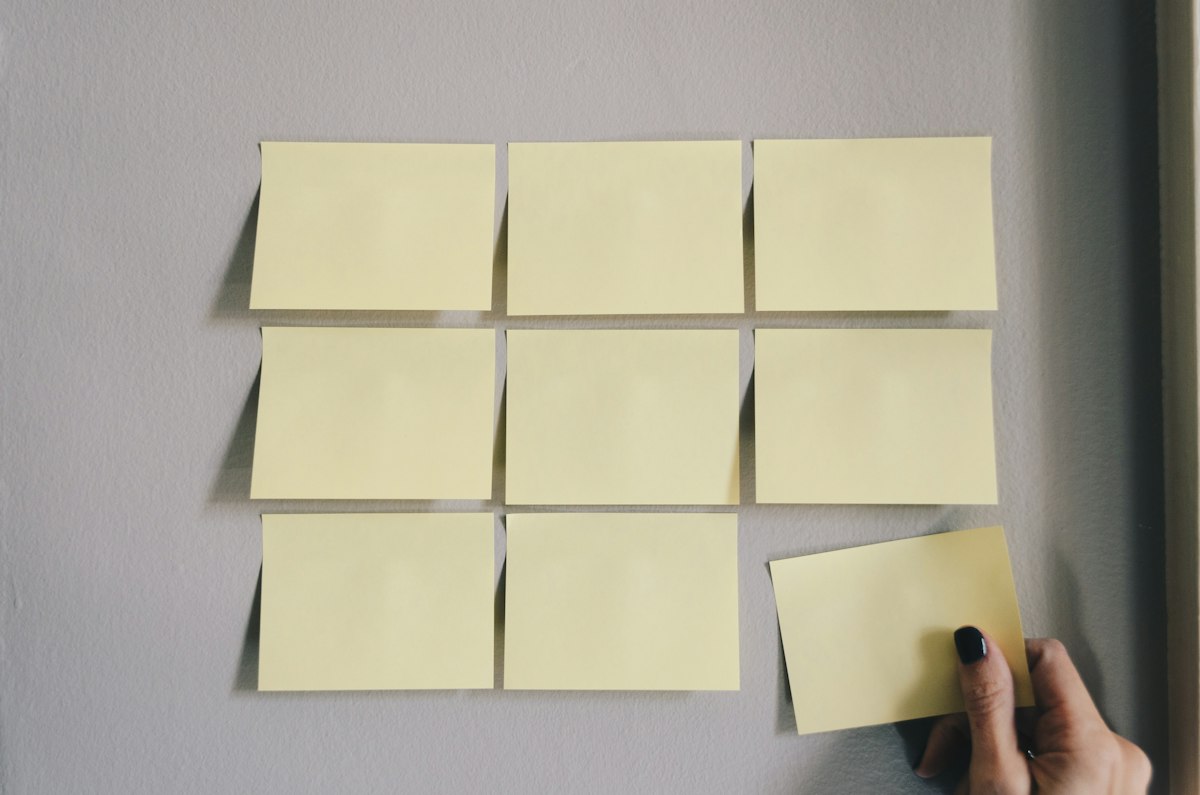
Most vision boards fail for one reason: they are built once, admired for a week, and then become wallpaper. A board that works is not a collage — it is a daily cue.
Pick three areas, not thirteen
The most common mistake is cramming in everything — the house, the body, the business, the travel, the relationship. A board with fifteen desires teaches your attention to scatter. Choose three areas at most. Focus is the entire mechanism.
Use specific images, not luxury stock
A generic photo of a sports car means nothing to you. A photo of the actual neighbourhood you want to live in, the specific certification you want, the kind of morning you want — that your mind can latch onto. Specific beats aspirational every time.
If the image could belong on anyone's board, it does not belong on yours.
Add words you can actually believe
Beside each image, write one short present-tense line. Not "MILLIONAIRE" in block capitals, but "My work is valued and well paid." If reading it makes you wince, scale it down until it feels almost true.
Put it where your eyes already go
- Beside the mirror you use every morning
- Facing your desk, at eye level
- Your phone lock screen, if you make a digital one
- Inside your journal's front cover
A board in a drawer is a craft project. A board you cannot avoid is a practice.
Digital or physical?
Physical boards win on attention — they are unavoidable and you touched every piece of them. Digital boards win on consistency, because your phone is always with you. If you are unsure, make a physical board and photograph it as your lock screen. You get both.
Make it a practice, not a decoration
This is where the 369 rhythm matters. Look at your board before your morning three lines — thirty seconds is enough. The board supplies the picture, the writing supplies the repetition, and together they do what neither does alone.
Review it every season
Every three months, take ten minutes with it. Remove what you no longer want — desires change, and an outdated board quietly trains you toward a life you have outgrown. Tick off what arrived. Then rebuild around what is true now.
Ready to make it a daily habit?