
Home · Blog · Visualisation: How to See It Before You Have It
Visualisation: How to See It Before You Have It
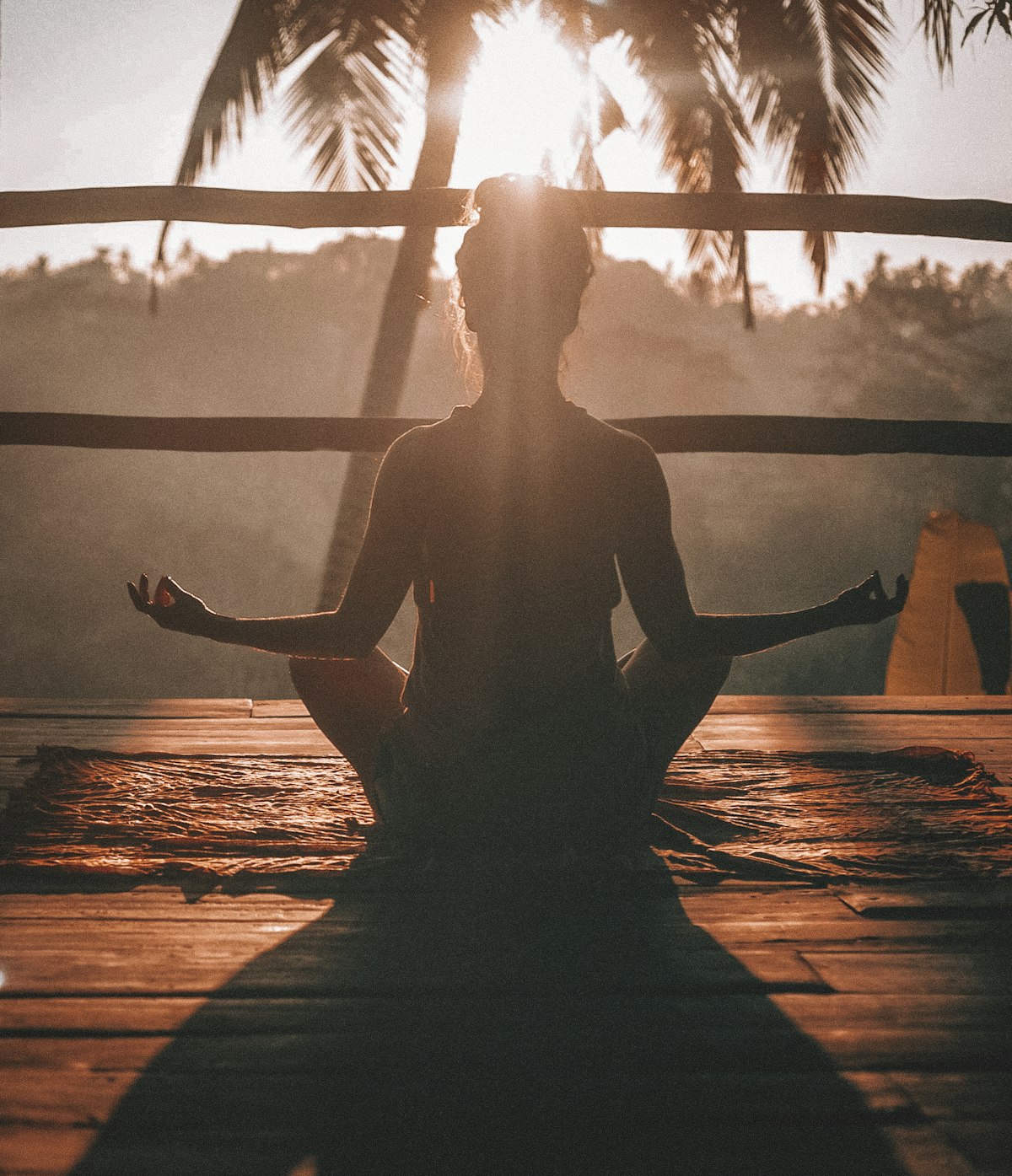
Writing sets the direction. Visualisation makes the destination feel familiar. Done well it takes five minutes a day, and it is the closest thing to rehearsing a life you have not lived yet.
Be inside the scene, not watching it
Most people visualise like a film — seeing themselves from the outside, succeeding. Try it from behind your own eyes instead. Not "I see myself walking into the office" but the view of the door handle, the sound of the lift, the weight of the bag on your shoulder.
First-person rehearsal feels markedly more real, and realness is the entire point. You are trying to convince a mind that does not distinguish sharply between vivid imagination and memory.
The five-minute method
- Settle (1 min) — sit still, slow your breathing, close your eyes.
- Enter the scene (2 min) — one specific moment, first person, in detail.
- Add a sense (1 min) — sound, smell or texture. One is enough to anchor it.
- Feel the emotion (1 min) — sit in the relief or pride before you open your eyes.
Choose the moment after, not the moment of
Rather than the trophy moment, visualise the quiet aftermath: the drive home once the deal is signed, the first ordinary morning in the new flat. Aftermath scenes carry less performance anxiety and far more believability.
Do not rehearse the applause. Rehearse the Tuesday that comes after it.
If you cannot picture things clearly
Some people see almost nothing in their mind's eye, and that is completely normal. Visualisation does not require vivid pictures — it requires the felt sense of being there. Describe the scene to yourself in words, or focus purely on the emotion. The effect comes from the feeling, not the image quality.
Pairing it with your 369 writing
The natural slot is right after your nightly nine lines. Your intention is already in mind, the day is finished, and you are heading toward sleep — when the subconscious is most receptive. Write, then close your eyes and spend five minutes inside the scene.
Then let it go
Finish, open your eyes, and return to your evening without grading how well it went. Visualisation is practice, not performance. The compounding comes from showing up nightly, not from one perfect session.
Ready to make it a daily habit?